
Renovating an existing commercial building can look straightforward from the outside. A business may be expanding into additional space, updating an older facility, installing new equipment, or changing how part of a building is used. While the project may be limited to a specific area, the electrical work can involve infrastructure and conditions beyond the immediate renovation area.
Unlike new construction, an existing building already has electrical infrastructure in place. That infrastructure reflects not only the building's original design, but also the changes made throughout its history. Previous renovations, equipment additions, tenant improvements, expansions, and shifts in operations can all affect what exists today.
For owners, general contractors, project managers, developers, and facility managers working on commercial projects across the U.S., including growing markets like Charlotte, NC, understanding those existing conditions can provide important context before a renovation or facility upgrade moves forward. The size of the renovation is only one part of the picture. What is already in place, what the building needs now, and what the project will require next can all shape the electrical scope.
Existing Conditions Can Affect the Scope of the Work
Commercial buildings rarely remain exactly as they were when they were first constructed. Spaces are renovated, tenants change, equipment is replaced, additions are built, and facilities adapt to new operational needs. Over time, those changes can create an electrical system made up of components from different stages of the building's history.
That history is not always fully visible. Conditions above ceilings, behind walls, inside electrical rooms, and throughout other areas of the facility may differ from what is shown in older drawings or documentation. A previous modification may have changed how equipment is connected, where infrastructure is located, or how available space is being used.
Existing documentation can still provide valuable information, but field conditions ultimately reflect everything that has happened to a building since its original construction. For a new renovation, understanding that difference can help project teams identify conditions that may need to be addressed before new electrical work is designed or installed.
Available Electrical Capacity Matters
A renovation can introduce electrical demands that were never part of the building's original design. A manufacturer may add new production equipment. An office may accommodate additional technology or employees. A property owner may install EV charging stations. A commercial kitchen may introduce new appliances, or a facility may add HVAC equipment as part of a larger upgrade.
The question is not only whether new equipment can physically fit in the space, but whether the electrical system can support the additional load. Available capacity can depend on the equipment already connected to the system, how that equipment is being used, and the electrical infrastructure serving the area.
Those demands can build over time. A facility that once had sufficient capacity for its original operations may have less available capacity after years of additions and upgrades. As a result, evaluating electrical capacity can be an important part of determining what a renovation or expansion will require.
Existing Infrastructure Has to Support Changing Building Needs
A facility constructed for one purpose may eventually serve another. An office space could be converted for manufacturing, a warehouse could accommodate new equipment, or a commercial space could be adapted for a different type of tenant. Each change can introduce electrical requirements that were not part of the original design.
Modern commercial facilities also rely on systems that may not have been part of the building when it was first constructed. Technology, communications infrastructure, controls, security systems, specialized equipment, and other building systems can all influence how electrical infrastructure is planned and used.
Requirements can change as well. Codes, standards, equipment specifications, and operational expectations may be different when a renovation takes place than they were during the original construction. An electrical system that has continued to function may therefore still require evaluation when the building's use or project requirements change.
Occupied Buildings Introduce Additional Constraints
Many commercial renovations take place while the building remains in use. Offices continue operating, manufacturing facilities continue producing, healthcare environments continue serving patients, and other businesses may need to maintain normal operations throughout construction.
That can affect how electrical work is scheduled and performed. Work areas may be located near employees, customers, tenants, patients, students, equipment, or active operations. Access to certain parts of the facility may also be limited by business hours, production schedules, security requirements, or the activities taking place in the space.
Electrical work can also require access beyond the immediate renovation area. Electrical rooms, ceilings, corridors, mechanical areas, and other parts of the facility may contain infrastructure that needs to be reached, modified, or coordinated during construction. In an occupied building, those requirements have to be considered alongside the need to keep the facility operating.
Electrical Changes Can Affect Other Building Systems
Electrical infrastructure does not exist independently from the rest of a commercial building. It shares physical space with HVAC equipment, plumbing, fire protection, structural components, communications infrastructure, security systems, and other building technology.
The systems can also depend on one another. Mechanical equipment requires electrical power, fire and life safety systems can include electrical components, and communications and low-voltage infrastructure may use pathways and spaces that overlap with other building systems. Equipment locations can also be affected by structural conditions and the physical layout of the facility.
In an existing building, those relationships are already established within the available space. Adding or relocating equipment can therefore create coordination needs for other trades, particularly when space is limited or an area has been modified multiple times. Considering those relationships early can help project teams account for electrical work within the larger construction plan.
Existing Buildings Bring a Different Set of Electrical Considerations
Commercial renovations are shaped by the conditions already present in the building. Existing infrastructure, available capacity, current building use, construction conditions, occupied spaces, and coordination with other systems can each influence how electrical work is planned.
For businesses considering commercial electrical services in Charlotte, NC, these factors are worth understanding early in the conversation around a renovation, expansion, or facility upgrade. Looking at the building as it exists today, rather than only at the area being renovated, can give project teams a clearer picture of the work involved.
WB Moore is a commercial electrical contractor serving Charlotte and commercial projects throughout North Carolina. With experience across a range of commercial electrical construction environments, WB Moore provides electrical construction and service capabilities for businesses and project teams across the region.
To learn more about WB Moore's commercial electrical services and capabilities, contact our team.
WB Moore is a premier electrical contractor in the Carolinas, offering a comprehensive range of services, including Electrical Construction, Electrical Services, Low-Voltage, Engineering, Pre-Construction Services, and Special Projects, ensuring that we can meet all project needs. Above all, safety is our utmost priority, reflected in our dedication to rigorous safety training programs. Choose WB Moore for unparalleled expertise and personalized solutions that exceed your expectations.
All engineering work is performed in our Charlotte office. WBM Group, PLLC provides all standalone engineering services.
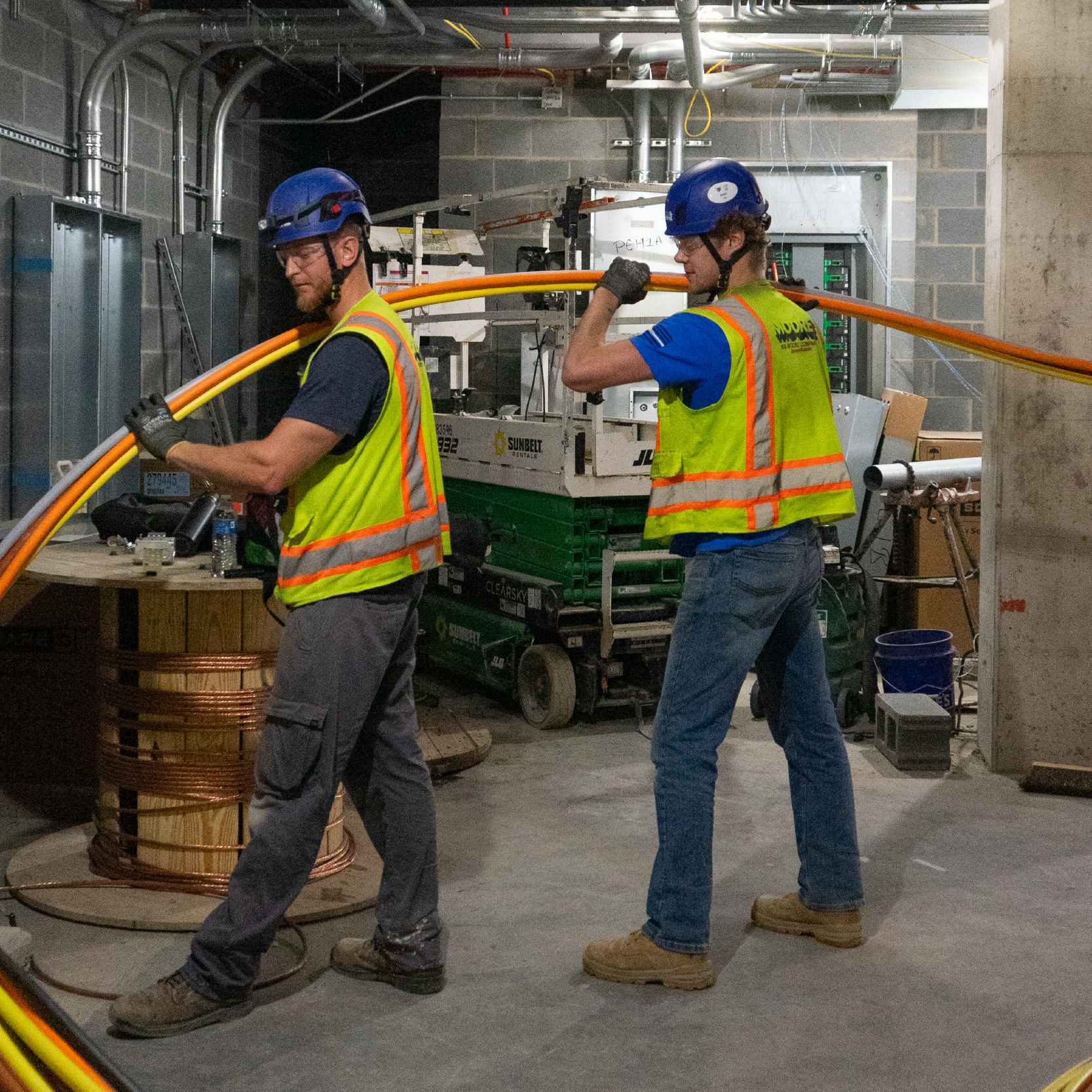
What Can Complicate Electrical Work in an Existing Commercial Building?
Learn how WB Moore is investing in workforce development, project management, field leadership, safety, and employee growth to build the future of electrical construction.
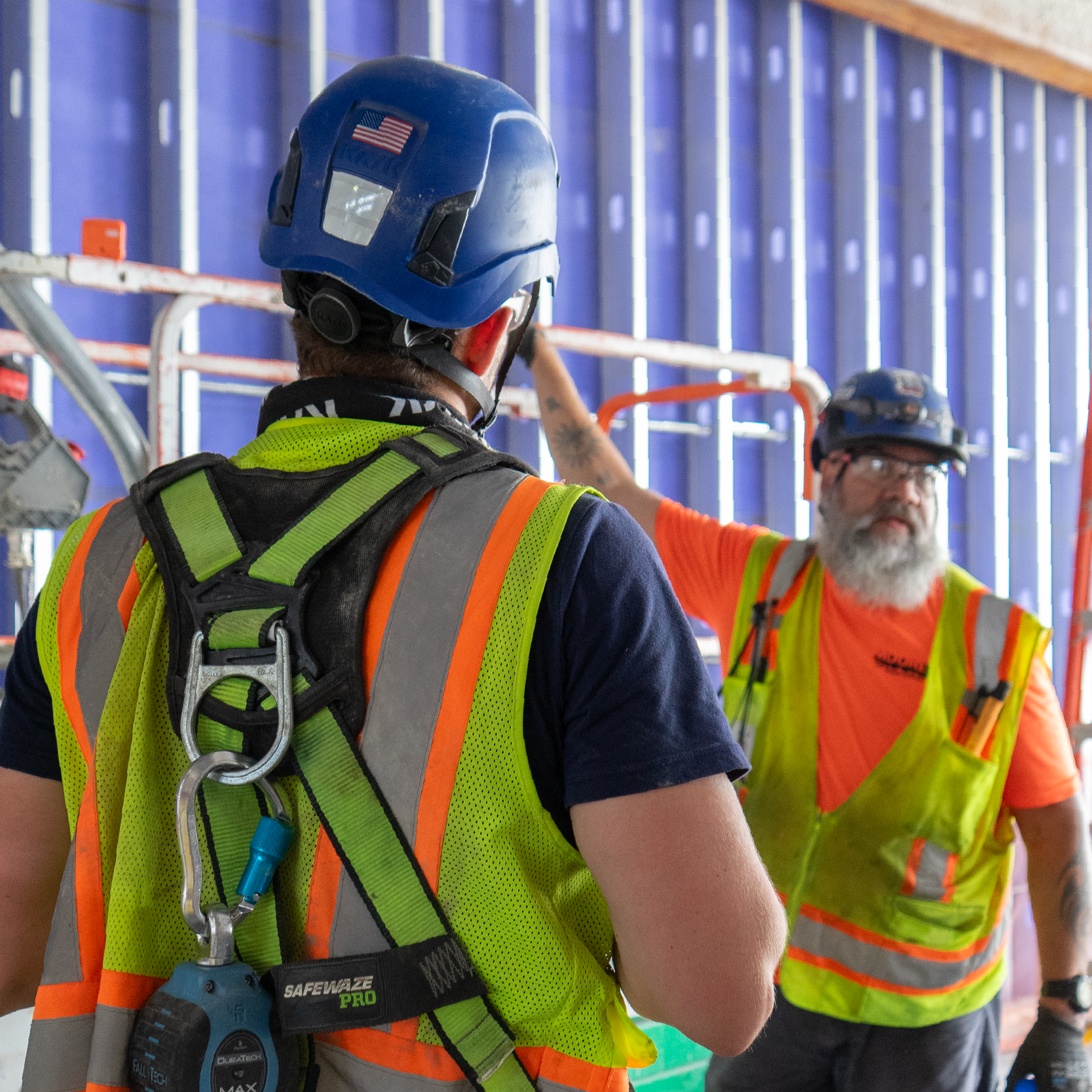
Top Safety Practices for Commercial Construction Job Sites
Learn how WB Moore is investing in workforce development, project management, field leadership, safety, and employee growth to build the future of electrical construction.
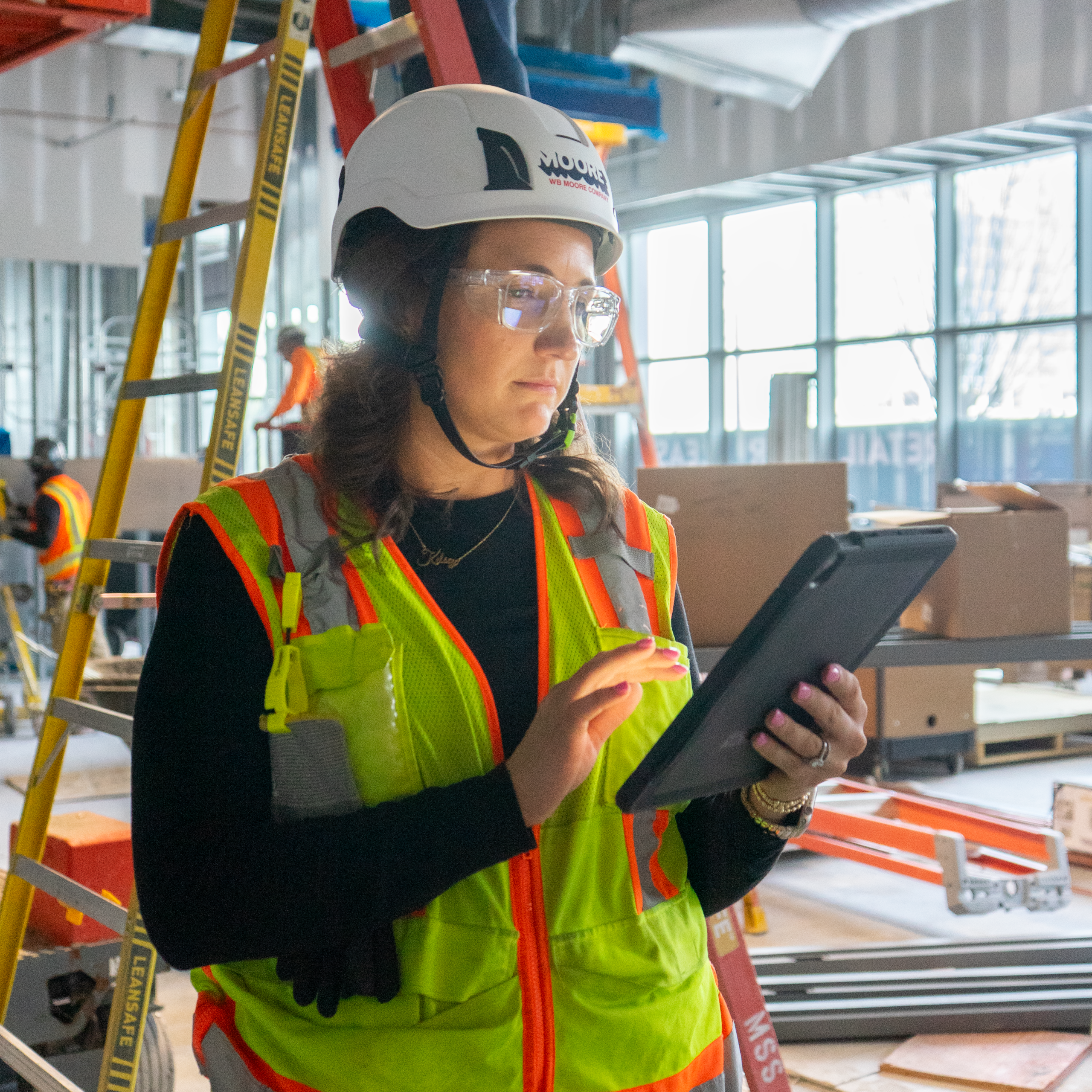
Growing Together: A Look at the Teams Driving WB Moore Forward
Learn how WB Moore is investing in workforce development, project management, field leadership, safety, and employee growth to build the future of electrical construction.

 916 N Poplar St, Charlotte, NC 28206
 (704) 331-9300
 info@wbmoore.com