Every commercial construction project introduces new variables. Work areas change, equipment moves across the site, crews rotate through different phases of construction, and building systems become more complex as the project progresses. In an environment where conditions can change from one day to the next, maintaining a safe job site requires more than following regulations. It depends on consistent habits, thoughtful planning, and a commitment from every person on site.
For every experienced commercial electrical contractor, safety should be woven into every phase of a project, from early planning through final completion. While each job presents its own unique challenges, several best practices consistently help create safer, more efficient commercial construction sites.
Make Safety Part of the Planning Process
Construction projects rarely stay the same from one week to the next. New trades arrive, equipment is delivered, work areas expand, and project schedules evolve as milestones are reached. Because of this, safety planning should be an ongoing process rather than something established only at the beginning of a project.
Before each shift begins, crews should understand the work ahead, recognize potential hazards, and consider how their activities may affect others nearby. Taking time to evaluate changing conditions allows project teams to anticipate risks instead of simply reacting to them, helping prevent incidents before they occur.
Keep the Job Site Organized
A well-organized job site supports both safety and productivity. Poorly staged materials, tools left in walkways, or cluttered work areas can create unnecessary hazards while making it more difficult for every trade to perform its work efficiently.
Maintaining clear access routes, storing materials properly, and removing debris throughout the day helps reduce slips, trips, and falls while improving overall job site flow. An organized site also provides better visibility, easier access for equipment, and safer working conditions as construction progresses.
Stay Aware of Changing Job Site Conditions
Commercial construction is constantly evolving. One crew may be working overhead while another is installing equipment below, temporary access routes may shift, or a previously open area may suddenly become an active work zone.
Remaining aware of these changing conditions helps workers make informed decisions. Sharing updates about new hazards, restricted areas, equipment movement, or changing site access allows every trade to adapt safely as the project moves forward.
Situational awareness is just as important as technical skill. Recognizing what’s happening around you often prevents incidents before they have a chance to develop.
Inspect Tools and Equipment Before Every Use
Even the best equipment experiences wear over time. A damaged extension cord, worn ladder, malfunctioning power tool, or compromised piece of personal protective equipment may seem like a minor issue until it’s relied upon during an important task.
Developing the habit of inspecting tools, equipment, and personal protective equipment before work begins helps identify problems early and reduces the likelihood of preventable accidents. Addressing small issues immediately also helps avoid larger interruptions that could affect both safety and project schedules.
Respect Electrical Hazards Throughout Every Phase of Construction
Electrical hazards evolve as construction progresses. Temporary power systems, partially completed installations, energized equipment, and newly commissioned systems each introduce different risks that require careful attention.
Workers should never assume the status of an electrical system or rely on previous conditions remaining unchanged. Following established safety procedures, verifying equipment status before beginning work, and ensuring electrical work is performed by qualified personnel all contribute to a safer job site for every trade working nearby.
As commercial buildings become more technologically advanced, maintaining awareness of changing electrical conditions becomes increasingly important throughout every phase of construction.
Build a Strong Safety Culture
The strongest safety programs extend beyond written procedures. They are built on a culture where every worker understands that speaking up is part of the job.
Whether it’s reporting a damaged tool, questioning an unfamiliar condition, identifying a potential hazard, or helping a coworker recognize a safety concern, these everyday actions often prevent incidents long before they occur. Creating an environment where employees feel comfortable raising concerns without hesitation strengthens accountability across the entire project team.
When safety becomes part of daily decision-making instead of simply another requirement, it creates a workplace where everyone shares responsibility for protecting one another.
Commercial construction continues to evolve as projects become larger, schedules become more demanding, and building systems grow increasingly sophisticated. While those changes introduce new challenges, they also reinforce the importance of maintaining strong safety practices every day.
Those same principles are reflected in WB Moore’s approach to safety. Beyond meeting regulatory requirements, the company has built a culture centered on continuous training, accountability, and employee involvement. Through a dedicated safety team, an active safety committee, and initiatives like its annual SafetyFEST, WB Moore reinforces best practices while encouraging every employee to play an active role in identifying and reducing potential hazards.
As an electrical contractor in North Carolina, WB Moore believes that maintaining a strong safety culture is one of the most important investments any commercial construction team can make. After all, every successful project should be measured not only by what was built, but by the safety of every person who helped build it.
WB Moore stands as a leading electrical contractor serving the Carolinas, providing an extensive array of services, such as Electrical Construction, Electrical Services, Low-Voltage, Engineering, Pre-Construction Services, and Special Projects, assuring the fulfillment of diverse project requirements. Our foremost commitment is to safety, evident through our unwavering dedication to rigorous safety training initiatives. Opt for WB Moore to access unmatched proficiency and tailored solutions that surpass your expectations.
All engineering work is performed in our Charlotte office. WBM Group, PLLC provides all standalone engineering services.
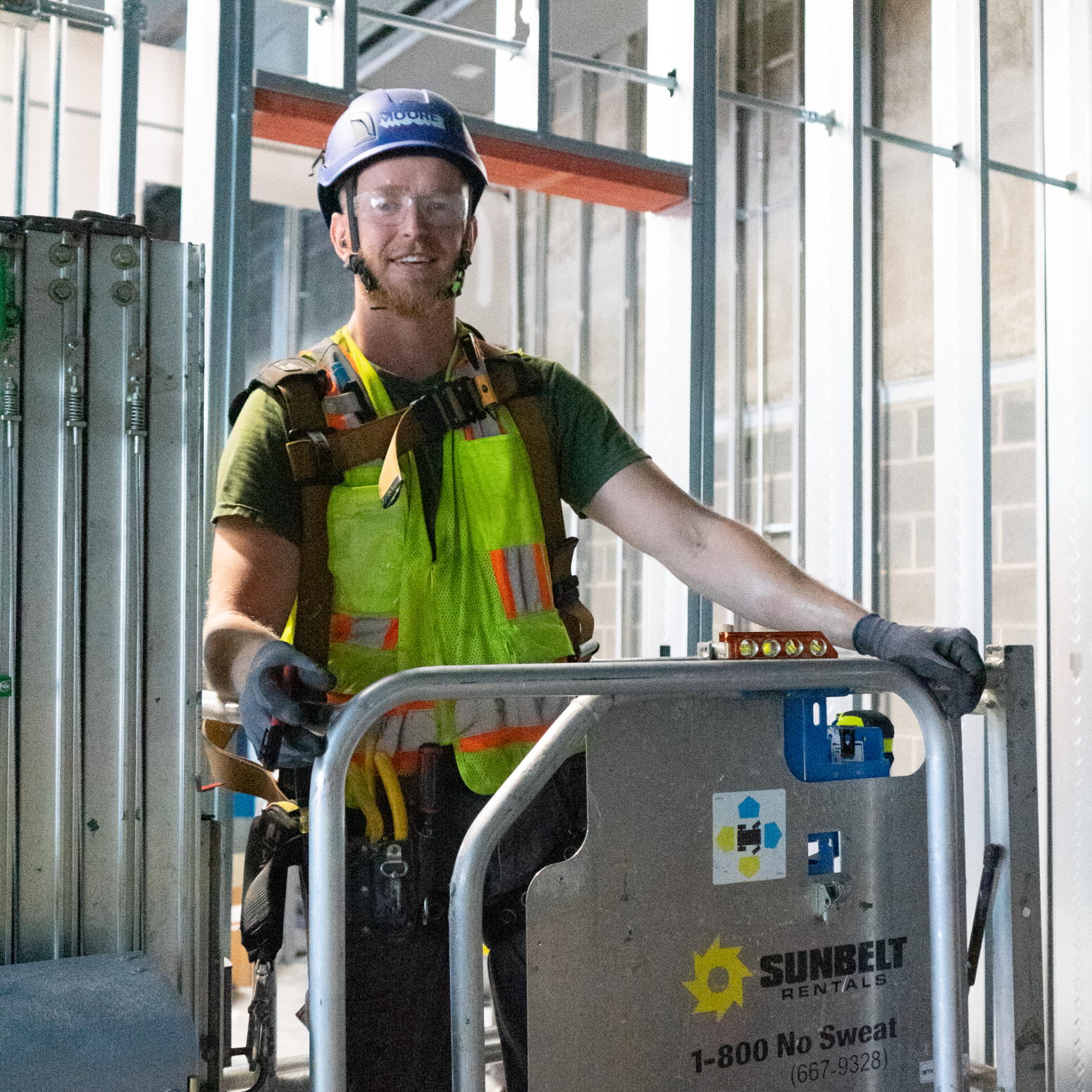
Top Safety Practices for Commercial Construction Job Sites
Learn how WB Moore is investing in workforce development, project management, field leadership, safety, and employee growth to build the future of electrical construction.
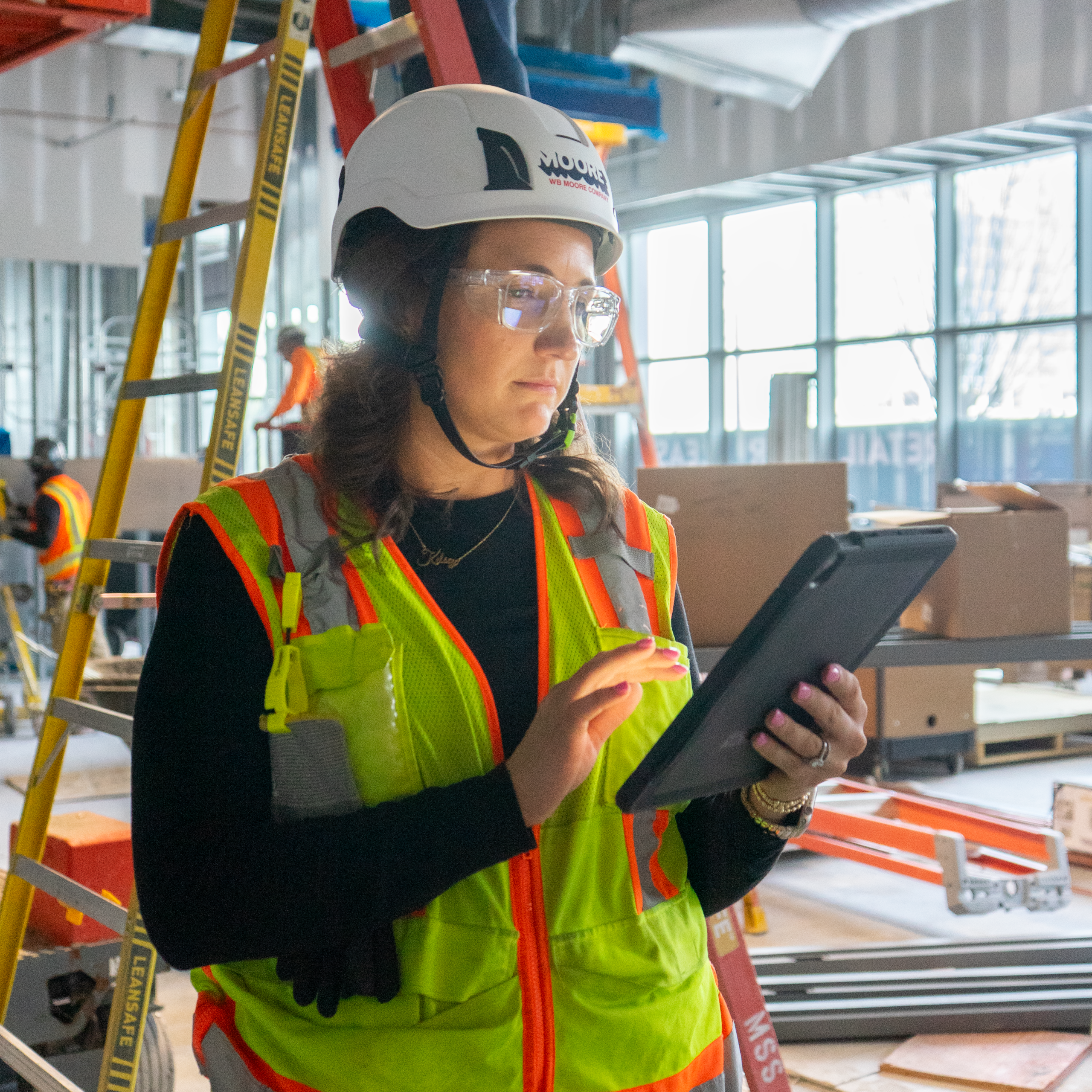
Growing Together: A Look at the Teams Driving WB Moore Forward
Learn how WB Moore is investing in workforce development, project management, field leadership, safety, and employee growth to build the future of electrical construction.
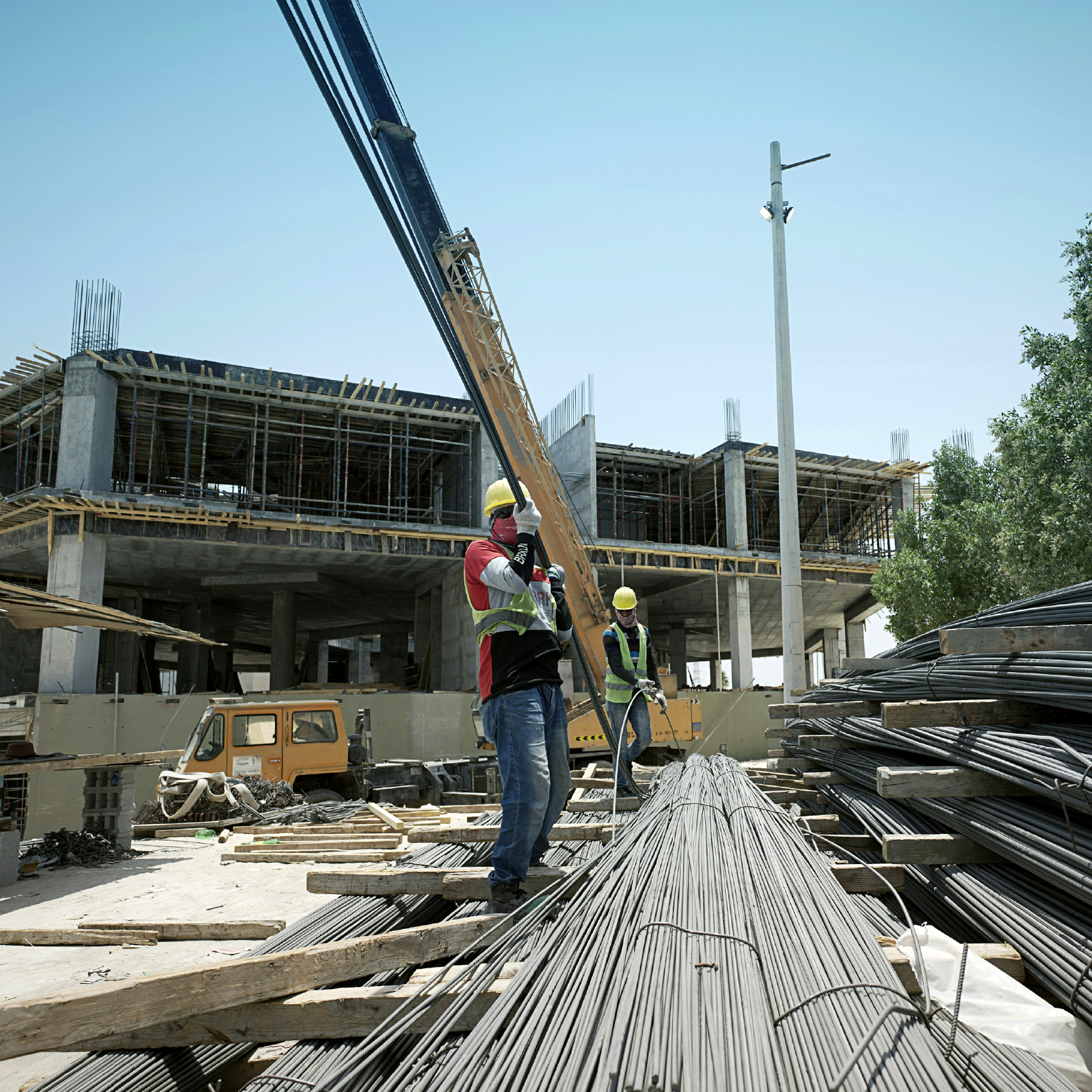
3 Job Site Bottlenecks Slowing Commercial Construction Projects
Many commercial construction delays come from everyday job site bottlenecks rather than major failures. Trade stacking, material congestion, and shifting schedules can all slow productivity across multiple teams. Crowded work areas and poorly timed deliveries create inefficiencies that ripple through the entire project. Modern electrical contractors are helping reduce these issues through better coordination, prefabrication, and early planning strategies that improve overall job site flow.

 916 N Poplar St, Charlotte, NC 28206
 (704) 331-9300
 info@wbmoore.com